What is it?
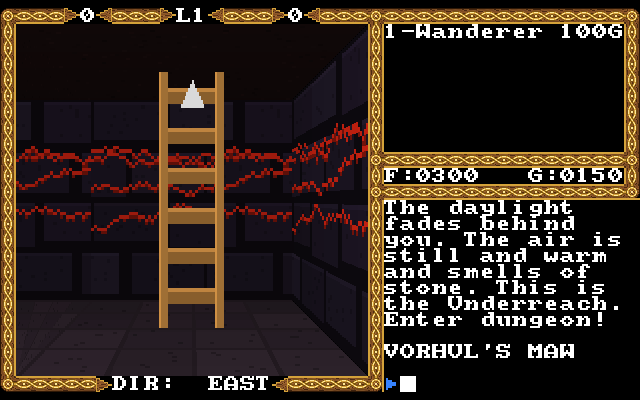
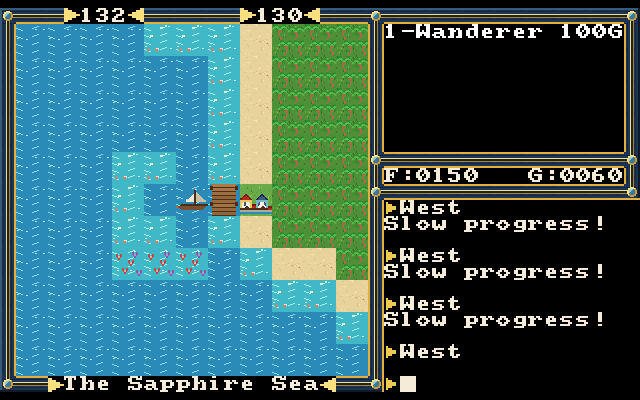
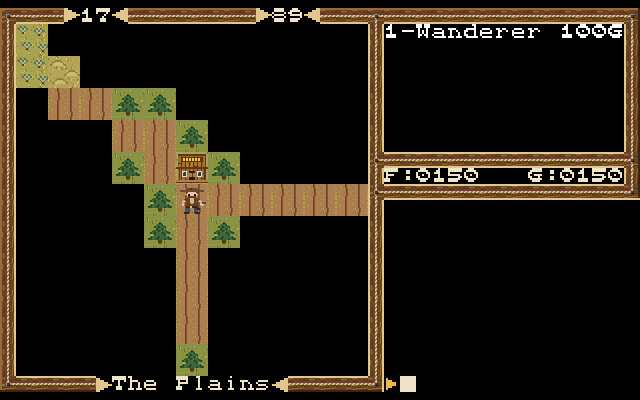
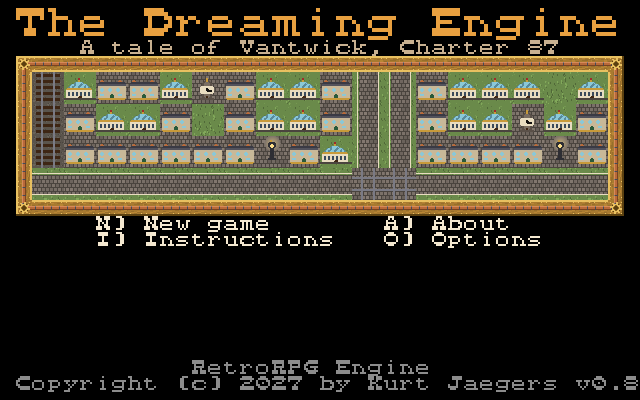
RetroRPG Engine is an engine for designing and playing RPGs inspired by the computer role-playing games of the early 8-bit days: a framed tile map, a party roster, a scrolling message log and one-key commands.
Each game is a module, a set of data files holding its maps, towns, dungeons, people, items and quests. The engine reads the module and plays it. The same engine runs a fantasy quest, a spy thriller or a voyage between the stars.
It runs on the web, Android and Windows. The Windows version includes the RetroRPG Module Editor, a complete adventure creator.
Modules can be downloaded, created with the editor, or shared by other players.
What you will find
- An overland map to explore on foot, on horseback, by ship or by balloon
- Towns full of people to talk to: ask about names, jobs and rumours
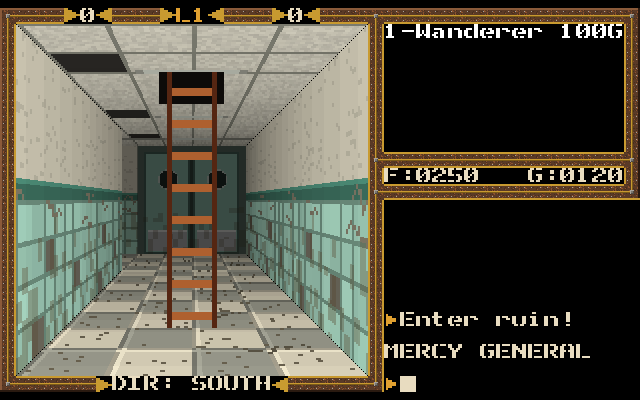
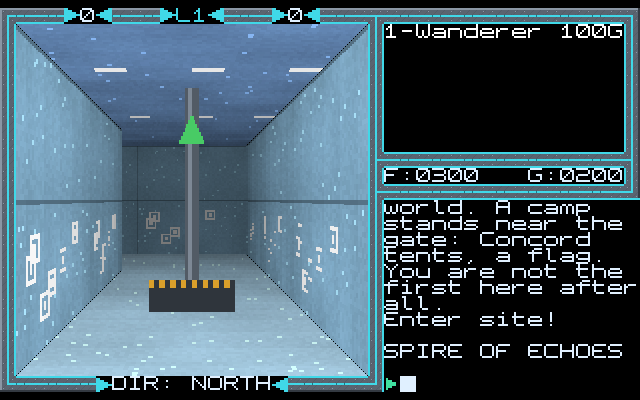
- First-person dungeons full of treasure and things in the dark
- Tactical battles on a grid, fought by your whole party
- Character creation, shops, inns, quests and companions who join your cause
- Keyboard, mouse and touch controls
- Nine pre-built themes: Fantasy, Sci-Fi, Steampunk, Horror, Pirate, Western, Cyberpunk, Post-Apocalyptic, and Modern
- Nine sample adventures using the theme packs. All of these can be opened with the editor. (Windows build required)
Play offline
Prefer a desktop or phone version? Both versions of the game include all nine adventures.
RetroRPG Engine
The game for Windows 11. Unzip the folder anywhere and run rpg_retro_engine.exe.
RetroRPG Module Editor
Build your own adventures: maps, towns, dungeons, people and quests. Unzip it and run
rpg_module_editor.exe.
RetroRPG Engine
An APK to install on your phone or tablet. Allow installs from unknown sources when Android asks.
Download the APKWhat is this?
RetroRPG Engine is my answer to the question: "What if Adventure Construction Set could make games like Ultima IV, Wasteland, Questron, Legacy of the Ancients and the other great adventures of the early 8-bit computer era?" I know the Bard's Tale construcion set was out back then too, and then Forgotten Realms unlimited adventures, but in both cases those were strictly 3D crawler type games and didn't capture the open world feel of of the early 8-bit computer era.
Of course, I would be remiss not to mention other titles like the Shard of Spring, Demon's Winter, Wizardry, Might & Magic, Fairytale Adventure, and Dragon Wars. I'm sure I'm missing some (many) others that influenced me over the years.
The Commodore 64
While it wasn't my first computer (I had an Atari 400 before it), the Commodore 64 was my first introduction to computer game programming. A friend and I went pretty far down the rabbit hole in coding a similar RPG from scratch on the C64 in Assembly language.
The C64 was no doubt a magical computer for many people and with the recent release of the C64 Ultimate, I was reminded of the hours of enjoyment I got from these games.
Building my own
I also spent hours in Adventure Construction Set, drawomg terrible pixel art, mapping out dungeons, scripting events and building adventures that pretty much noone else ever played. The "Let ACS finish the Adventure" feature was both exciting and frustrating, as it gave you somethign new to play, but often made little sense.
All of that led to a few false starts over the years. I used to have a website called XNA Resources back when XNA (now recreated as Monogame) first launched. That let to a three-boot deal on writing xBox and Windows games with XNA. I started building a similar project in Pico-8 when that was released - constructing a game framework similar to what I had used in XNA.
You'll notice that this engine isn't a direct clone of any of these games - it draws inspiration from them (in particular their C64 incarnations) and implements some of my favorite ideas and mechanics from them.
Why it looks like this
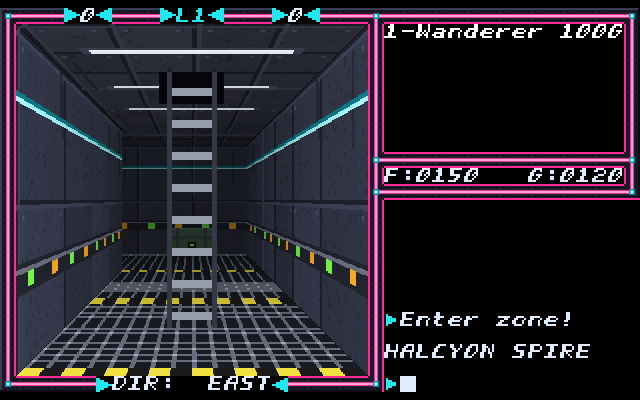
The player looks as if it could be running on a Commodore 64, without the loading times or colour limits of that machine. Every game takes place in a 320 × 200 screen with a stylized frame, a party list on the right and a message scroll beneath it.
That small, fixed screen is a deliberate constraint. It keeps adventures focused, leaves room for the player's imagination, and means one person can build a complete game in a reasonable amount of time. The same frame holds a fantasy kingdom, a spy thriller or a cyberpunk city.
The target audience
I would be lying if I didn't say that this is partially a project for myself. But I also hope it revives fond memories for others who enjoyed similar games in their youth. Perhaps for those who are looking for a straightforward tool to create their own adventures wihout worrying about things like seamless tilesets or complex scripting, this engine provides a simple yet flexible platform.
Newcomers to this style of game will find an accessible entry point, while veterans can enjoy the nostalgia and simplicity of the design.
No code, graphics or story from these games was used to make this project. Naming them as inspiration is not intended to challenge the ownership or copyright of any of these fine products. These are all adventures I loved growing up.
Adventures included
Nine full adventures come with the engine. Click one to start playing it, or choose M) Modules on the title screen to switch between them.
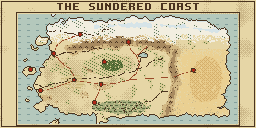
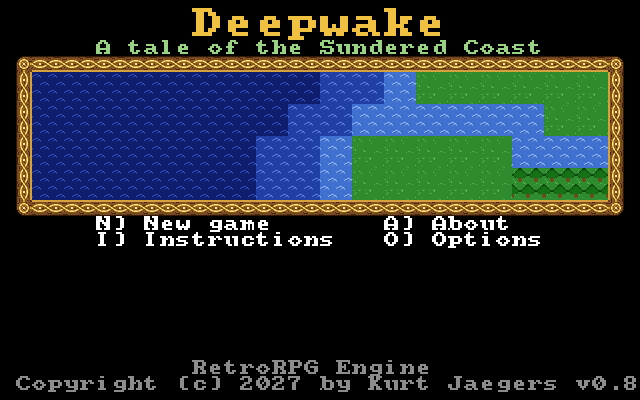
Deepwake
Five shards, a sleeping titan and the deep roads beneath.
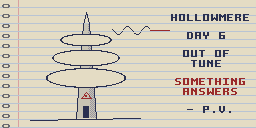
The Fading Beacons
Darkness falls on the planets of the Kessrin Verge.
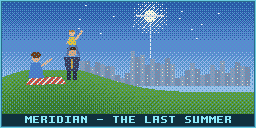
Cinderfall
Stranded in a Red Zone of raider camps. No magic.
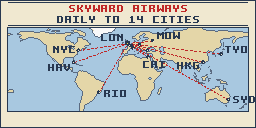
Operation Nightjar
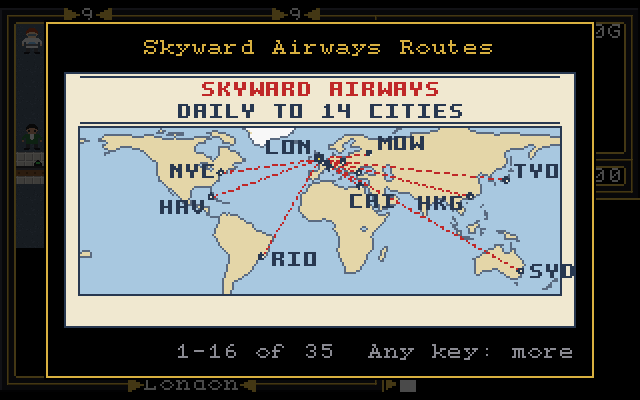
One agent and fourteen real cities linked by flights.
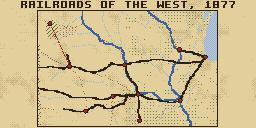
The Iron Road
Rail, stagecoach and outlaws on the plains of 1877.

Neon Requiem
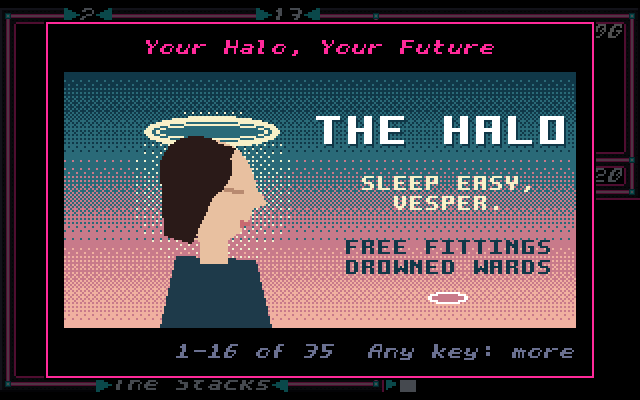
The streets and cyberspace of Vesper Bay, 2091.
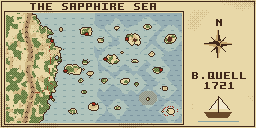
The Sunken Crown
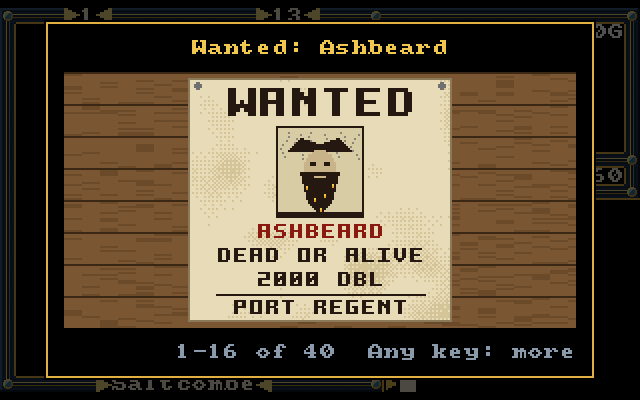
A chart cut in four, a sea of islands and Ashbeard.
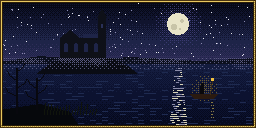
The Crimson Vigil
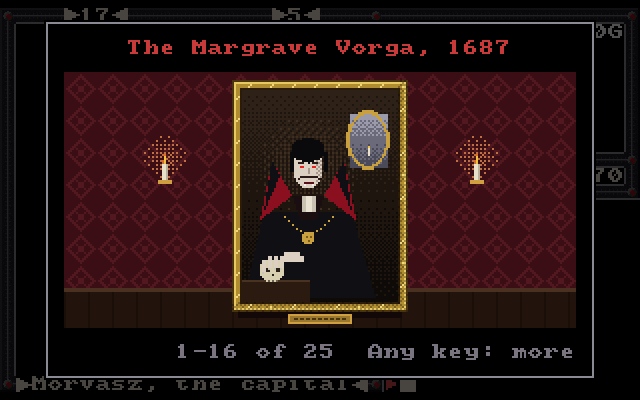
A Margrave risen from his grave in Drovenia, 1891.
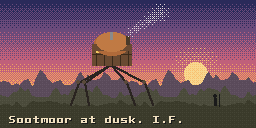
The Dreaming Engine
Sleeping children and a walking engine in Vantwick.
Support the game
If you enjoy RetroRPG Engine and want to see more adventures, themes and features, you can support its development on Patreon.
Support on Patreon